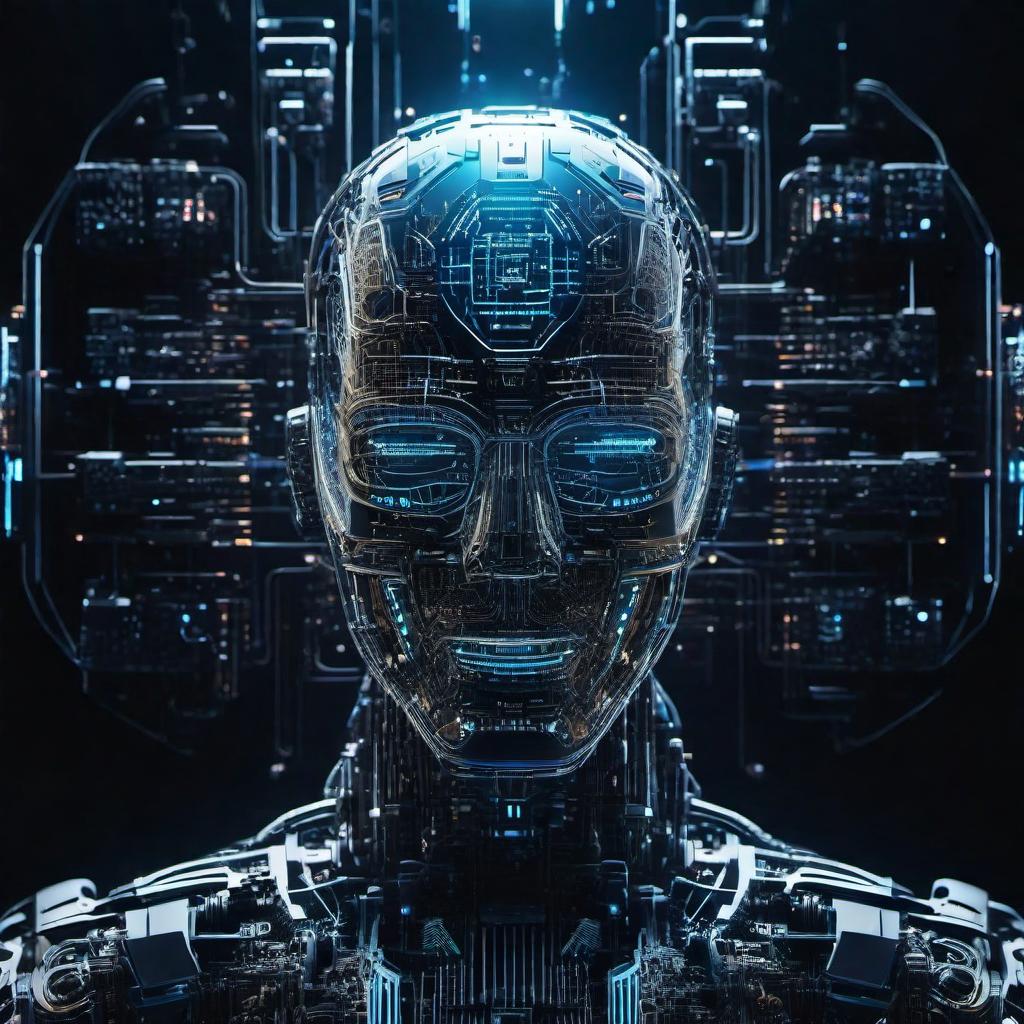
Evolution of Artificial Intelligence: A Journey Through Key Technologies
February 10, 2024
Unveiling the Evolution of Artificial Intelligence
Artificial Intelligence (AI) has emerged as a transformative technology, reshaping industries and revolutionizing the way we interact with machines. Let's delve into the historical timeline and key technologies that have propelled AI forward in the digital era.
History of Artificial Intelligence
- 1950s: The inception of AI dates back to the 1950s when pioneers like Alan Turing and John McCarthy laid the groundwork for AI research.
- 1960s-1970s: The continued development of symbolic AI and expert systems fueled research in AI applications.
- 1980s-1990s: AI faced setbacks during the AI winter but saw a resurgence in the 1990s with advancements in neural networks.
- 2000s-Now: The exponential growth of data, computing power, and algorithms has propelled AI into mainstream applications.
Key Technologies Enabling AI
-
Machine Learning and Neural Networks
- Machine learning algorithms enable machines to learn from data and make predictions without being explicitly programmed.
- Neural networks mimic the human brain's interconnected nodes, enabling deep learning and complex pattern recognition.
-
Natural Language Processing (NLP)
- NLP enables machines to understand, interpret, and generate human language, revolutionizing virtual assistants and language translation.
-
Computer Vision
- Computer vision empowers machines to interpret and analyze visual information from the real world, enabling applications like image recognition and autonomous vehicles.
Embracing the AI Revolution
As AI continues to evolve, businesses are leveraging these key technologies to drive innovation and enhance customer experiences. Stay tuned as AI reshapes the future of technology and human-machine interactions.