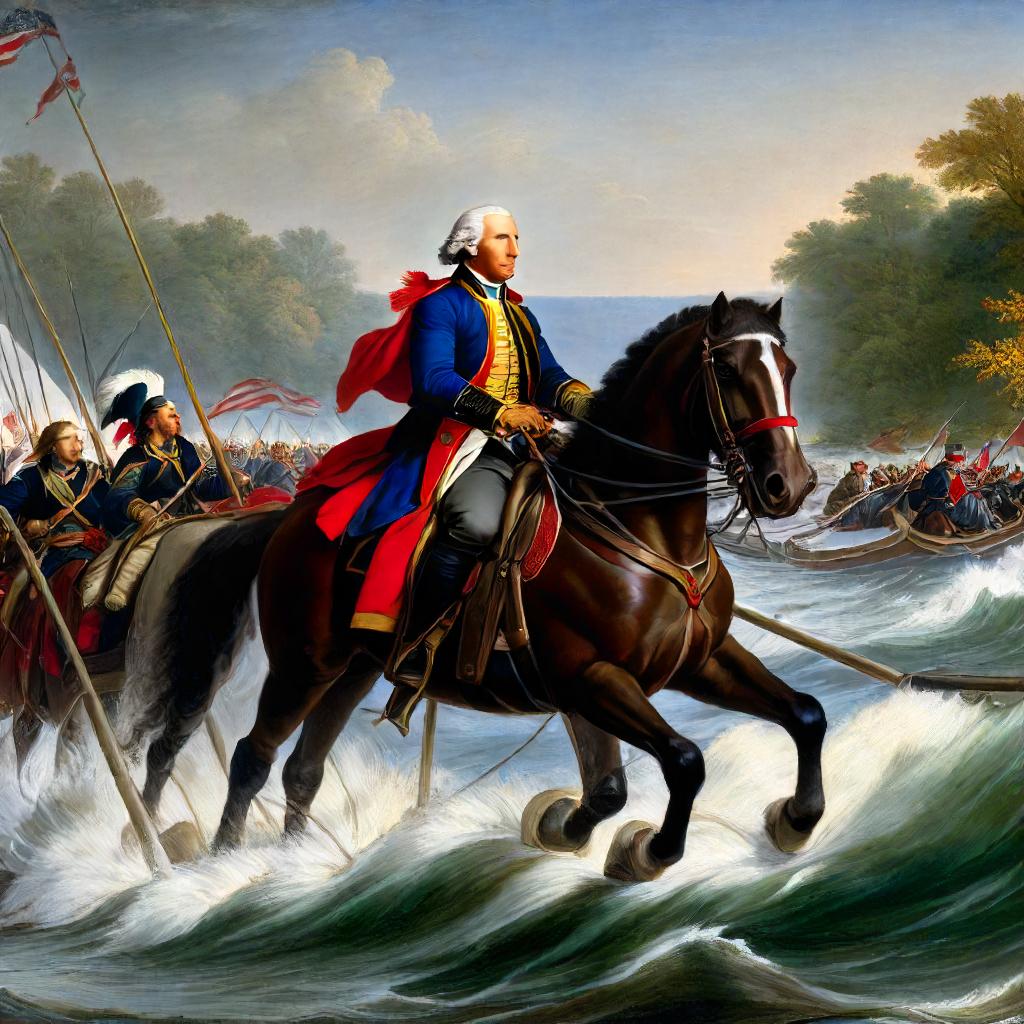
The Life and Legacy of George Washington: A Founding Father's Journey
Early Life and Education
George Washington was born on February 22, 1732, in Westmoreland County, Virginia. His early years were marked by a modest upbringing and limited formal education.
Military Career
Washington's military career began in the Virginia militia, where he gained valuable experience during the French and Indian War. He later commanded the Continental Army during the American Revolution, leading the colonies to victory against the British.
Role in the American Revolution
As the commander-in-chief, Washington played a pivotal role in securing American independence. His strategic acumen and leadership skills were instrumental in winning key battles, such as the Siege of Yorktown.
Leadership as President
In 1789, Washington was unanimously elected as the first President of the United States. His presidency was marked by the establishment of key governmental institutions, such as the Cabinet and the Bill of Rights.
Domestic Affairs
Washington's tenure saw the implementation of economic policies, including the creation of a national bank and the assumption of state debts. He also quelled the Whiskey Rebellion, demonstrating the federal government's authority.
Foreign Policy
Washington pursued a policy of neutrality in foreign affairs, steering clear of entanglements in European conflicts. His Farewell Address emphasized the importance of national unity and avoiding foreign alliances.
Legacy and Memorials
Washington's legacy as a Founding Father and wartime leader is revered in American history. His image adorns Mount Rushmore, and numerous statues and monuments pay tribute to his contributions to the nation.
Controversies and Criticisms
Despite his esteemed reputation, Washington faced criticism for his ownership of enslaved people. His legacy is thus intertwined with the complexities of slavery in early American society.